The Role of Luck in Gambling
Luck is often considered the cornerstone of gambling experiences, especially in casinos. Many players enter these establishments believing that fortune will favor them, whether through a lucky streak at the slot machines or an improbable hand in poker. This belief may stem from the inherent randomness associated with many casino games, where outcomes can change in an instant, leading players to attribute their successes or failures to luck. Interestingly, some of the best online casino experiences combine skill with chance, raising the question of how much luck truly influences the results of these games.
To understand the impact of luck, it’s necessary to analyze the mechanics of casino games. For example, games like roulette and slots are designed around probability, effectively creating an environment where each spin or roll is independent. This means that no matter how many times a player wins or loses, the odds reset with each attempt. Despite this, players often feel a connection to luck, believing certain rituals or patterns may sway the outcome in their favor, showcasing the psychological influence of luck beyond just mathematical principles.
While luck undeniably plays a significant role in gambling, it is important to recognize that skill and strategy also contribute to outcomes. In games such as blackjack and poker, players leverage experience and understanding of psychology alongside luck to enhance their chances of winning. Thus, luck may not be the sole driving force behind victories in casinos; it often works in tandem with skill and strategy, presenting a more complex relationship between these elements than many players might perceive.
The Psychology Behind Luck in Casino Games
The perception of luck in casino environments is deeply rooted in human psychology. Many players engage in superstitious behaviors, believing that certain actions can enhance their luck, such as crossing fingers, wearing lucky clothing, or following specific betting patterns. These rituals often provide a sense of control and comfort, allowing players to navigate the uncertainty inherent in gambling. The psychological impact of these beliefs can be substantial, affecting how individuals approach their gaming experience.
Moreover, the idea of luck can evoke powerful emotions, such as excitement or disappointment, which can further influence a player’s behavior. When someone wins, they often experience a rush of adrenaline and euphoria, leading them to believe that their luck will continue to shine. Conversely, a series of losses can lead to frustration and desperation, prompting players to chase their losses in hopes of a turnaround. Such emotional highs and lows can cloud judgment and lead to decisions driven by the desire to ‘find’ luck rather than strategic planning.
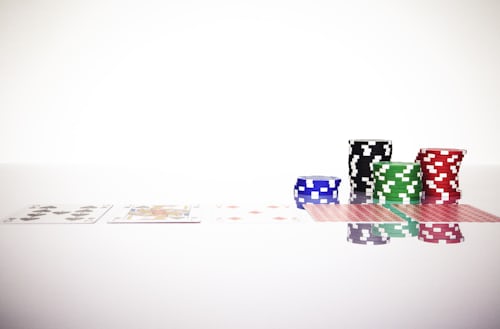
Additionally, casinos exploit the notion of luck in their design and marketing strategies, creating an environment that celebrates winning streaks and rewards players for their perceived good fortune. From flashing lights and celebratory sounds to the layout of machines and tables, everything is engineered to amplify the sensation of luck. This not only reinforces players’ beliefs in luck’s influence over outcomes but also encourages further play, which can be detrimental to their bankroll management and overall gambling experience.
Calculating Odds Versus Believing in Luck
In the realm of casino games, understanding probability and odds is crucial for any serious player. The house edge—the percentage of each bet that a casino expects to retain over time—varies from game to game, defining the long-term odds against players. For instance, in games like blackjack, players can employ strategies that minimize the house edge, leading to more favorable outcomes. However, despite the potential for strategic play, many gamblers may still rely on luck to guide their decisions during gameplay, often leading to conflicting philosophies.
While employing strategies can significantly improve a player’s chances, it’s essential to recognize the limits of skill-based tactics in games heavily influenced by chance. In games like slot machines, the outcome is entirely random, meaning no strategy can alter the results. Players must come to terms with the fact that luck predominates in such instances, leaving them to navigate their gameplay with the understanding that every spin is based purely on chance, regardless of skill or prior experience.
The fusion of calculated odds and belief in luck creates a complex gambling dynamic. Players who understand the statistical nature of casino games may find themselves more equipped to manage their expectations and bankrolls. Still, the allure of luck can be too powerful to resist, urging players to make impulsive decisions that defy their strategic inclinations. Ultimately, successful gambling demands a balance between respecting the significance of odds while also acknowledging the unpredictable nature of luck.
Luck and Player Behavior
The influence of luck on player behavior can manifest in various ways. Players who consistently believe in their luck may exhibit more aggressive betting patterns, often resulting in higher stakes and greater risk-taking. This behavior can lead to significant wins; however, it can also lead to equally significant losses, blurring the line between calculated risk and reckless gambling. The psychology of luck entails a rollercoaster of emotions that can sway a player’s judgment, making it essential for individuals to remain mindful of their gambling habits.

Conversely, players who view themselves as unlucky may approach the casino experience with caution, opting for conservative betting strategies. This mindset can limit their enjoyment and potential rewards, as their belief in bad luck may deter them from taking calculated risks that could lead to favorable outcomes. The duality of luck perception can create stark contrasts in gambling styles, ultimately impacting overall success and satisfaction in the gaming environment.
Additionally, the social aspect of gambling can also affect how individuals perceive their luck. Players may draw confidence from the atmosphere around them or from the experiences shared among fellow gamblers. For instance, when players witness others winning, it can elevate their belief in their luck, prompting them to participate more actively. Conversely, a string of losses among peers can dampen spirits and encourage a retreat from the tables, illustrating how luck not only influences individual outcomes but also shapes the collective behavior of players within a casino.
Final Thoughts on Luck and Casino Outcomes
In conclusion, while luck undeniably plays a significant role in casino outcomes, it is vital to recognize the interplay between luck, skill, and strategy. Gambling is a multifaceted experience that blends chance with calculated decisions, and players must navigate this complexity with a clear mindset. While it is tempting to attribute wins and losses solely to luck, understanding the underlying mechanics of games and employing sound strategies can significantly enhance a player’s experience and potential for success.
Moreover, the psychological aspects of luck cannot be understated. Players must be aware of how their beliefs and emotions can influence their behavior and decision-making at the tables. Whether through superstitions or emotional responses to wins and losses, the perception of luck can shape the gambling experience in profound ways that transcend mere probabilities.
As players continue to explore the thrilling world of casinos, embracing both luck and strategy will contribute to a more balanced and enjoyable gaming journey. Understanding that while luck may influence outcomes, it is not the sole determinant of success can empower individuals to make more informed decisions and ultimately enhance their overall gambling experience.